City of tulips: canals, gardens, and color
Discover centuries of cultivation, trade, and artistry behind a beloved spring ritual.
Table of Contents
Origins of tulips in the Netherlands
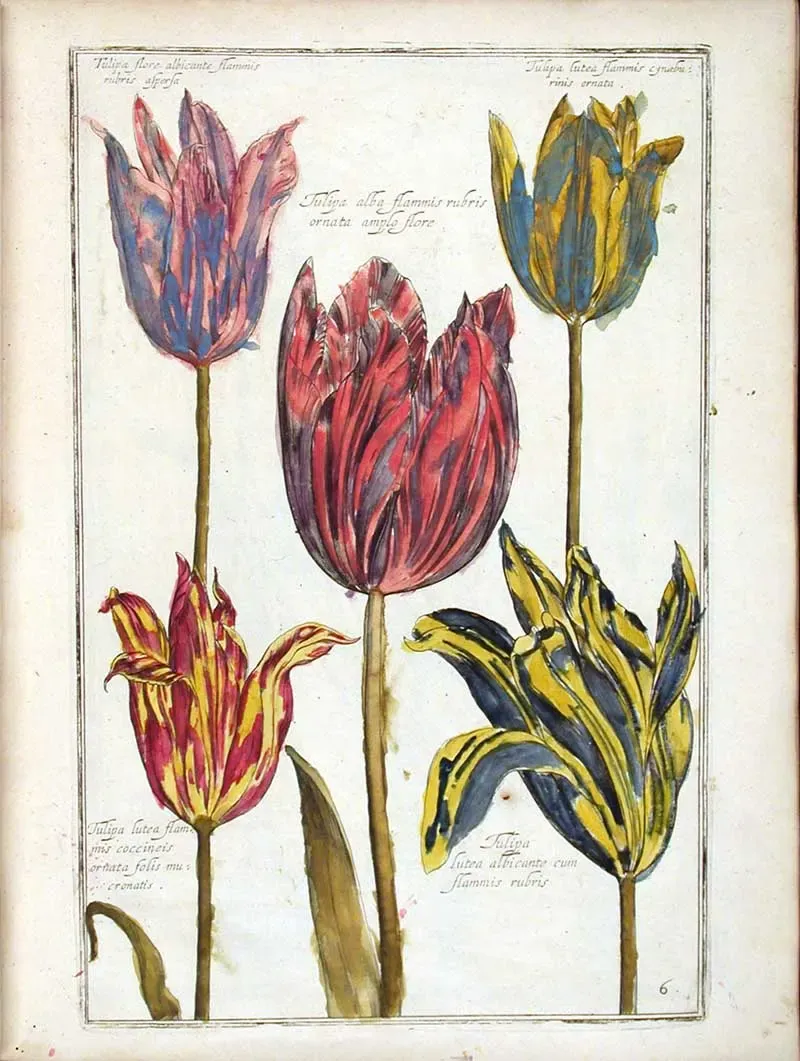
Tulips began their long journey to the Low Countries in the 16th century, carried by stories and trade routes from the Ottoman Empire. Curiosity bloomed among botanists and merchants alike. Early bulbs were prized for their rarity and unusual patterns — a living treasure for collectors who saw in the tulip not just a flower, but a symbol of knowledge, status, and the thrill of discovery.
In the Netherlands’ maritime world, new ideas traveled as swiftly as ships. Gardens became laboratories; city courtyards turned into tiny theaters of the fantastic, where each spring unveiled fresh varieties and bold color. The stage was set for a romance that would stitch tulips into the fabric of Dutch identity, from scholarly herbals to everyday window boxes. 🌷
Tulipmania and the Dutch Golden Age
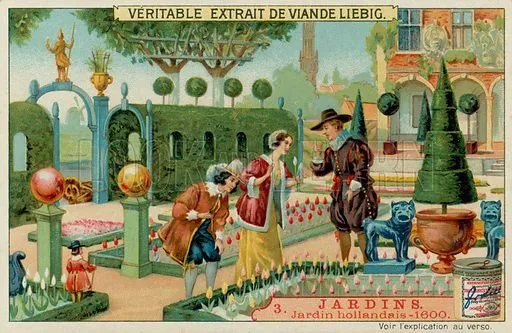
By the 1630s, rarity met speculation in a whirlwind now known as Tulipmania. Select striped tulips — often the product of viral break patterns — fetched eye‑watering sums, trading hands in taverns and market halls. The tulip became a mirror: it reflected both the exuberance of a booming economy and the risks of chasing beauty at all costs.
While the bubble burst, the fascination endured. Tulips settled into a calmer rhythm of cultivation, trade, and domestic enjoyment. The Dutch genius for logistics and agriculture took center stage, laying the groundwork for a modern horticultural powerhouse — one that still ships bulbs across the globe and unveils new varieties year after year.
Cultivation, growers, and modern varieties
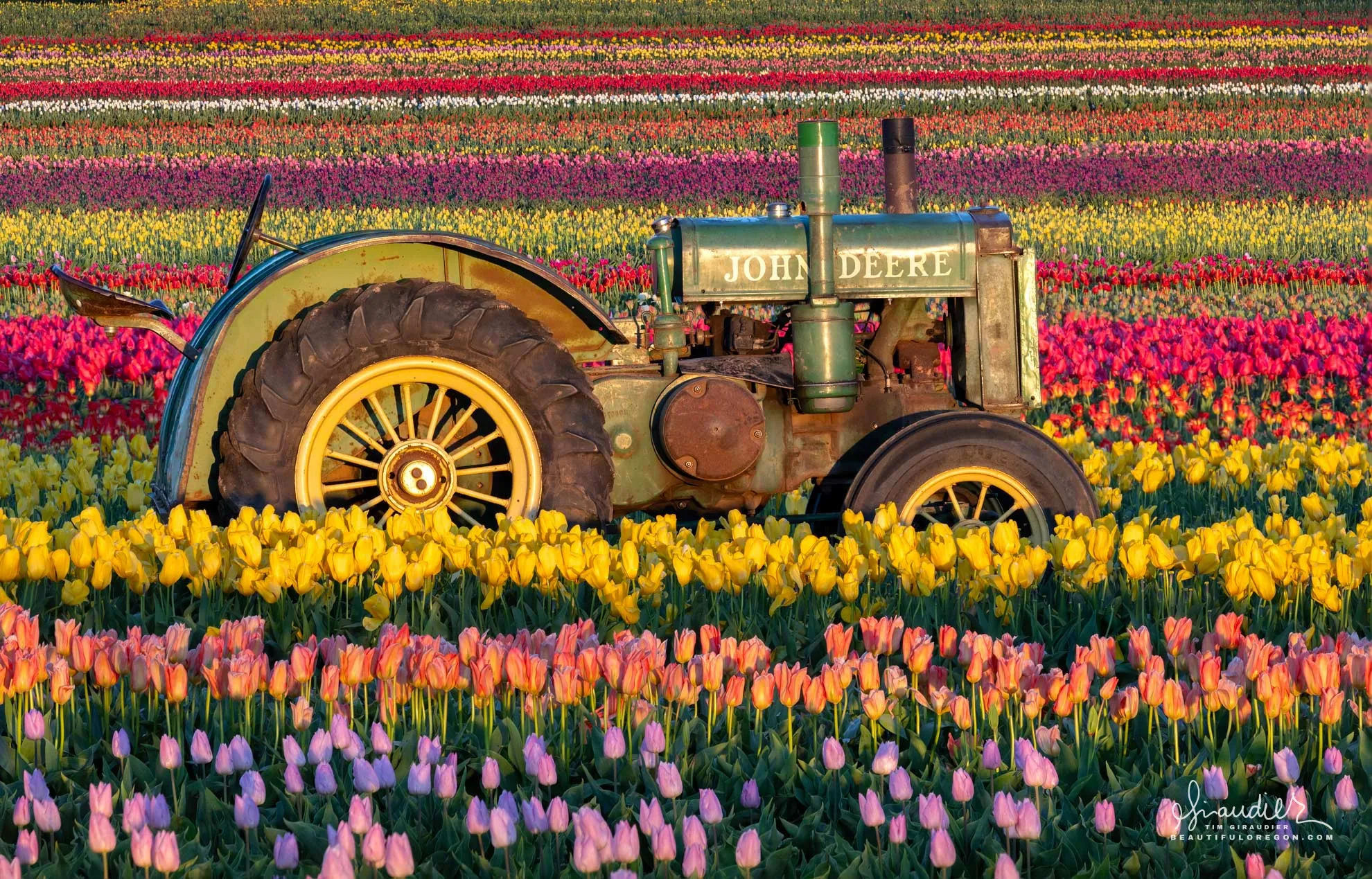
Today’s tulip story is a tapestry woven by growers, breeders, and patient seasons. Bulbs rest in cool warehouses, fields are measured with care, and each spring unfurls new shades and shapes — elegant singles, lush doubles, and fringed petals that flirt with the wind. Behind the scenes, science and craft walk hand in hand.
Varieties reflect not just color, but feeling: classic reds and sunny yellows echo tradition, while muted pastels whisper of modern minimalism. Growers balance soil health, water use, and biodiversity, conserving what makes the Dutch countryside so generously alive.
Gardens, displays, and Keukenhof
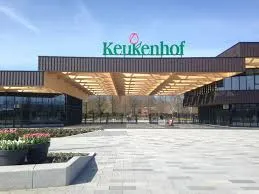
Keukenhof is tulip theater — carefully staged beds, sculptural accents, and winding paths that surprise at every turn. It’s not just volume, but choreography: the bloom sequence ensures color waves across weeks, so each visit feels fresh.
Amsterdam’s city displays add a playful counterpoint: curated beds near museum gardens, canal banks, and pocket parks. Together they create a spring rhythm that’s equal parts elegant and everyday.
City life, canals, and spring rituals
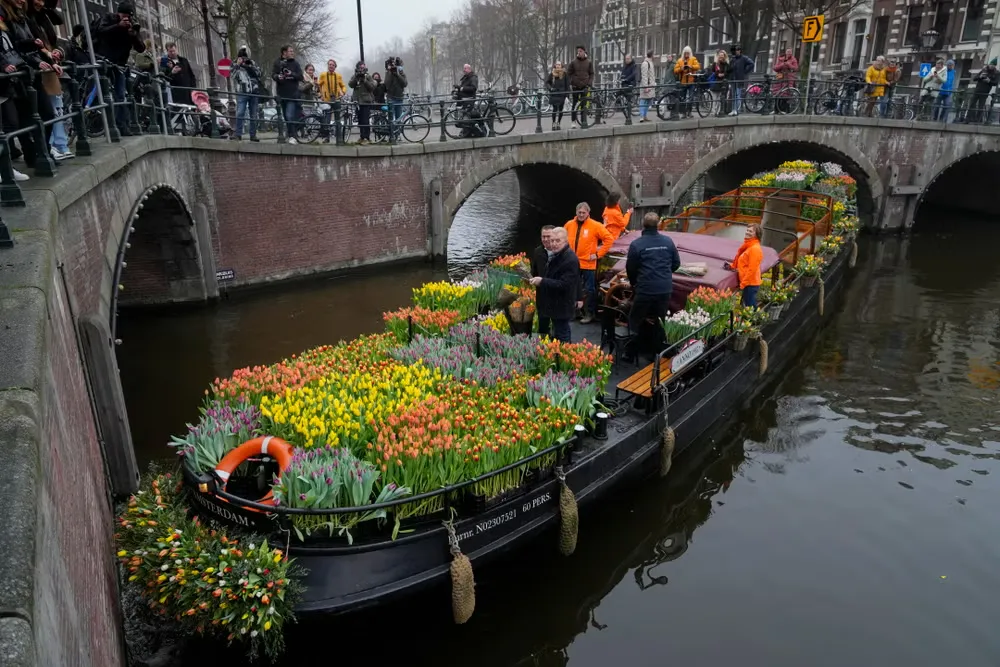
Spring in Amsterdam is a mood: bikes ringing past flower beds, café terraces warming up, and reflections of color dancing on canal water. The city hums — gently — as locals and travelers find their own traditions, from first‑sun coffees to twilight walks.
Tulip season is not a rushing event. It’s a slow unfolding that invites you to linger, notice, and breathe. 🌤️
Workshops, markets, and floral demos

Seasonal pop‑ups and market stalls offer bulb advice, small workshops, and arranging demos. It’s hands‑on, helpful, and fun — ideal if you want flowers to follow you home.
Look for events tied to parade weekends or garden themes. Even a short session can transform the way you see a bed of blooms.
Trains, buses & bike routes
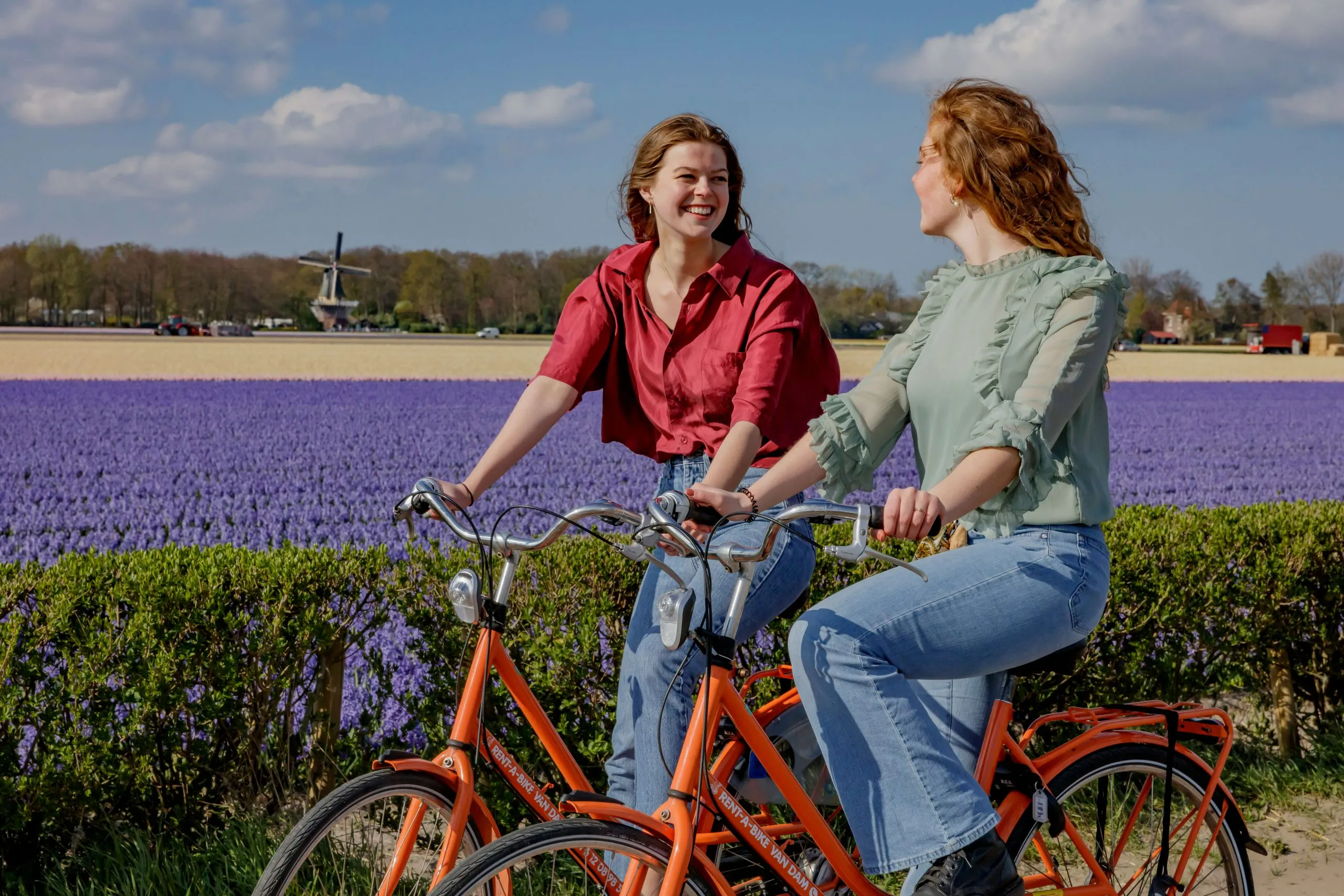
Trains from Amsterdam Centraal connect quickly to Schiphol, Leiden, and Haarlem; seasonal buses bridge the final leg to Keukenhof. In the Bollenstreek, well‑marked bike paths make countryside touring easy and safe.
In the city, trams and walking routes guide you past displays while canal cruises add a dreamy perspective. Choose your pace — swift, scenic, or somewhere in between.
Safety & accessibility
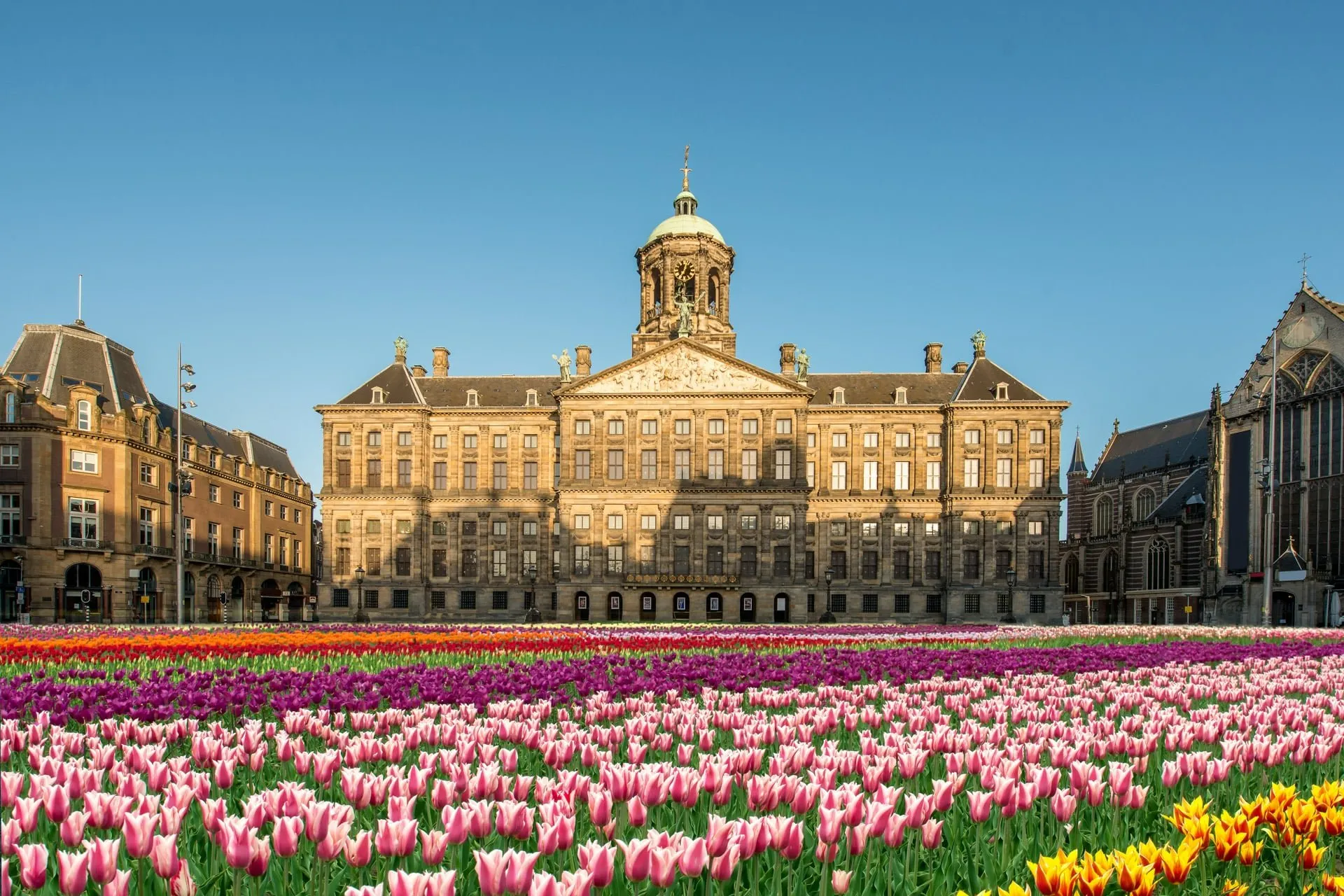
Keukenhof’s paths are mostly flat and signposted. Accessibility services and rentals are available. In Amsterdam, sidewalks are smooth, though bridge slopes vary.
Check transport updates during peak weekends or parade days. Always respect field boundaries — never walk into planted rows.
Parades, festivals, and culture
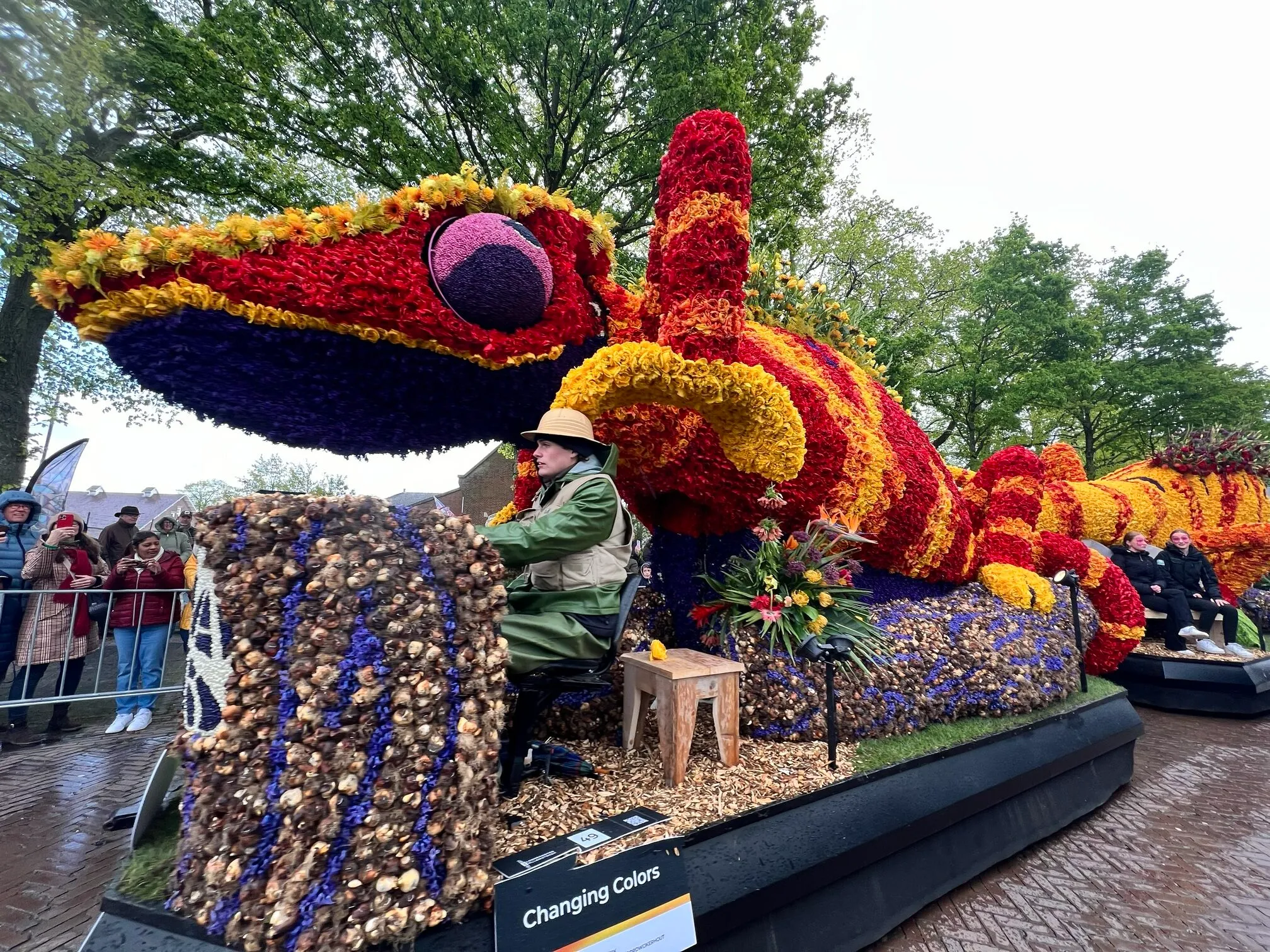
Parade days in the Bollenstreek (Bloemencorso) showcase elaborate floral floats rolling through towns — a joyful spectacle with local pride at its heart.
In Amsterdam, spring programming spreads across museums and public spaces. Expect music, markets, and family‑friendly pop‑ups.
Tickets, passes & tours
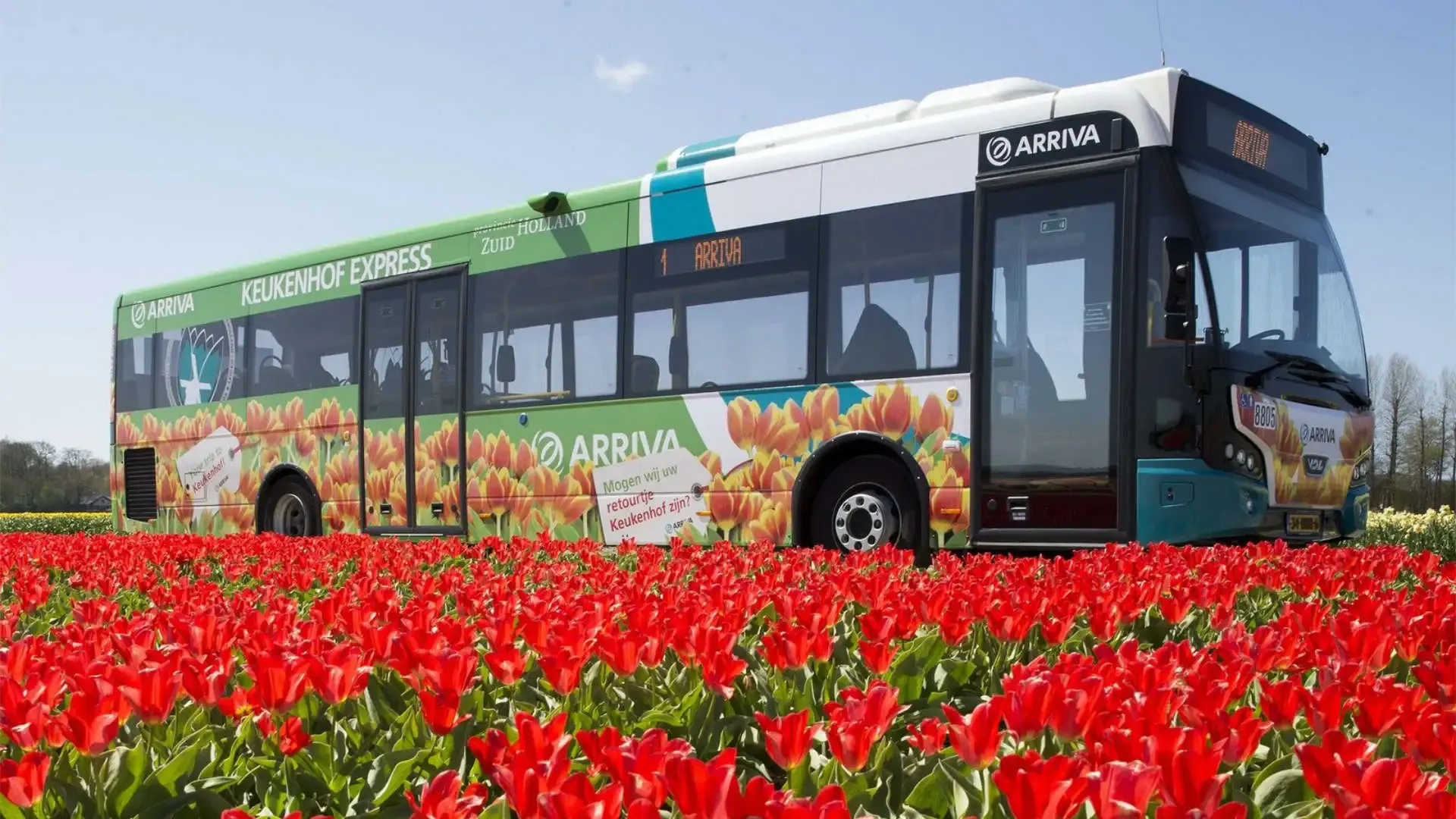
Book timed entries to Keukenhof and add transport combos for smooth transfers.
City displays are free to enjoy; premium tours bundle routes, guides, and extras like a canal cruise.
Preservation & sustainability
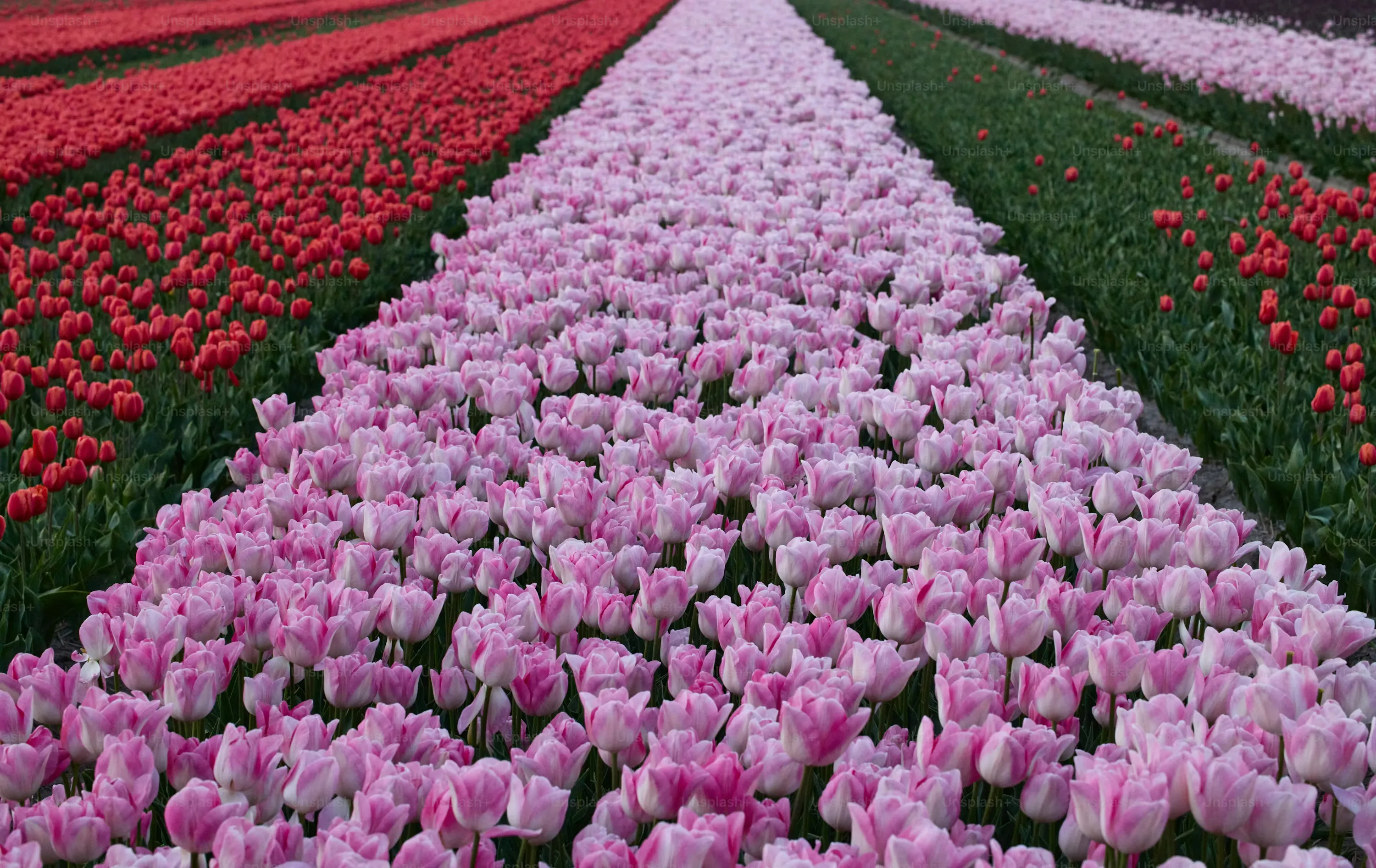
Respect field boundaries, support local growers, and avoid trampling plant beds. Buy bulbs and flowers from reputable sellers — authenticity matters.
Choose off‑peak time slots and sustainable transport to keep spring beautiful for everyone.
Nearby towns & countryside stops
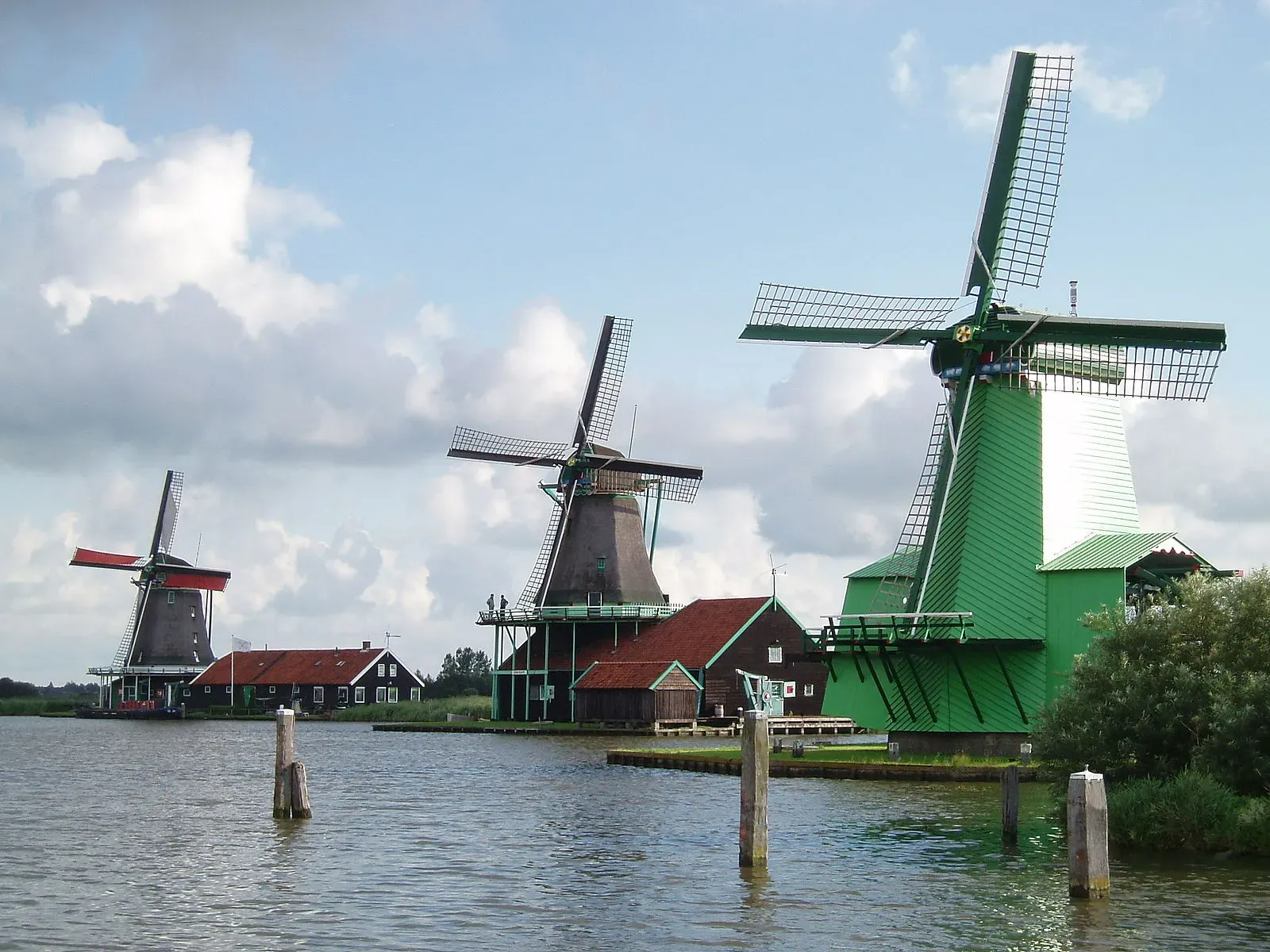
Haarlem, Leiden, and Lisse offer charming cafés and historic streets close to the fields — perfect for a slow afternoon.
Windmills, dunes, and quiet lanes add texture to a tulip‑day itinerary. Ask your guide or check maps for easy detours.
Why tulips still matter
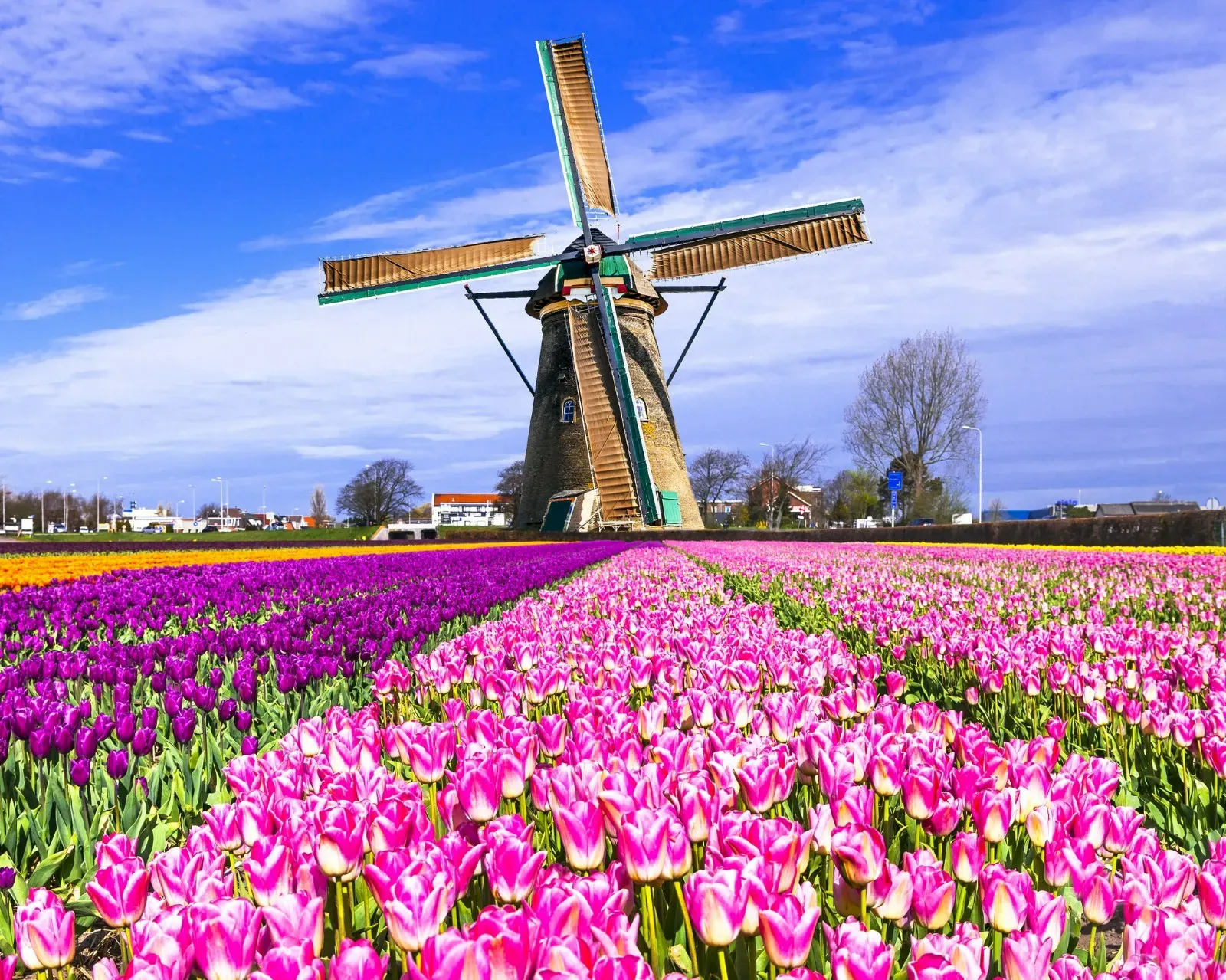
Tulips are a living tradition — a reminder that beauty can be cultivated with care, patience, and community. They color the Netherlands each spring, but their roots run deep through history.
A visit supports local growers, encourages respectful travel, and connects you with a story that is still blooming.
Table of Contents
Origins of tulips in the Netherlands
Tulips began their long journey to the Low Countries in the 16th century, carried by stories and trade routes from the Ottoman Empire. Curiosity bloomed among botanists and merchants alike. Early bulbs were prized for their rarity and unusual patterns — a living treasure for collectors who saw in the tulip not just a flower, but a symbol of knowledge, status, and the thrill of discovery.
In the Netherlands’ maritime world, new ideas traveled as swiftly as ships. Gardens became laboratories; city courtyards turned into tiny theaters of the fantastic, where each spring unveiled fresh varieties and bold color. The stage was set for a romance that would stitch tulips into the fabric of Dutch identity, from scholarly herbals to everyday window boxes. 🌷
Tulipmania and the Dutch Golden Age
By the 1630s, rarity met speculation in a whirlwind now known as Tulipmania. Select striped tulips — often the product of viral break patterns — fetched eye‑watering sums, trading hands in taverns and market halls. The tulip became a mirror: it reflected both the exuberance of a booming economy and the risks of chasing beauty at all costs.
While the bubble burst, the fascination endured. Tulips settled into a calmer rhythm of cultivation, trade, and domestic enjoyment. The Dutch genius for logistics and agriculture took center stage, laying the groundwork for a modern horticultural powerhouse — one that still ships bulbs across the globe and unveils new varieties year after year.
Cultivation, growers, and modern varieties
Today’s tulip story is a tapestry woven by growers, breeders, and patient seasons. Bulbs rest in cool warehouses, fields are measured with care, and each spring unfurls new shades and shapes — elegant singles, lush doubles, and fringed petals that flirt with the wind. Behind the scenes, science and craft walk hand in hand.
Varieties reflect not just color, but feeling: classic reds and sunny yellows echo tradition, while muted pastels whisper of modern minimalism. Growers balance soil health, water use, and biodiversity, conserving what makes the Dutch countryside so generously alive.
Gardens, displays, and Keukenhof
Keukenhof is tulip theater — carefully staged beds, sculptural accents, and winding paths that surprise at every turn. It’s not just volume, but choreography: the bloom sequence ensures color waves across weeks, so each visit feels fresh.
Amsterdam’s city displays add a playful counterpoint: curated beds near museum gardens, canal banks, and pocket parks. Together they create a spring rhythm that’s equal parts elegant and everyday.
City life, canals, and spring rituals
Spring in Amsterdam is a mood: bikes ringing past flower beds, café terraces warming up, and reflections of color dancing on canal water. The city hums — gently — as locals and travelers find their own traditions, from first‑sun coffees to twilight walks.
Tulip season is not a rushing event. It’s a slow unfolding that invites you to linger, notice, and breathe. 🌤️
Workshops, markets, and floral demos
Seasonal pop‑ups and market stalls offer bulb advice, small workshops, and arranging demos. It’s hands‑on, helpful, and fun — ideal if you want flowers to follow you home.
Look for events tied to parade weekends or garden themes. Even a short session can transform the way you see a bed of blooms.
Trains, buses & bike routes
Trains from Amsterdam Centraal connect quickly to Schiphol, Leiden, and Haarlem; seasonal buses bridge the final leg to Keukenhof. In the Bollenstreek, well‑marked bike paths make countryside touring easy and safe.
In the city, trams and walking routes guide you past displays while canal cruises add a dreamy perspective. Choose your pace — swift, scenic, or somewhere in between.
Safety & accessibility
Keukenhof’s paths are mostly flat and signposted. Accessibility services and rentals are available. In Amsterdam, sidewalks are smooth, though bridge slopes vary.
Check transport updates during peak weekends or parade days. Always respect field boundaries — never walk into planted rows.
Parades, festivals, and culture
Parade days in the Bollenstreek (Bloemencorso) showcase elaborate floral floats rolling through towns — a joyful spectacle with local pride at its heart.
In Amsterdam, spring programming spreads across museums and public spaces. Expect music, markets, and family‑friendly pop‑ups.
Tickets, passes & tours
Book timed entries to Keukenhof and add transport combos for smooth transfers.
City displays are free to enjoy; premium tours bundle routes, guides, and extras like a canal cruise.
Preservation & sustainability
Respect field boundaries, support local growers, and avoid trampling plant beds. Buy bulbs and flowers from reputable sellers — authenticity matters.
Choose off‑peak time slots and sustainable transport to keep spring beautiful for everyone.
Nearby towns & countryside stops
Haarlem, Leiden, and Lisse offer charming cafés and historic streets close to the fields — perfect for a slow afternoon.
Windmills, dunes, and quiet lanes add texture to a tulip‑day itinerary. Ask your guide or check maps for easy detours.
Why tulips still matter
Tulips are a living tradition — a reminder that beauty can be cultivated with care, patience, and community. They color the Netherlands each spring, but their roots run deep through history.
A visit supports local growers, encourages respectful travel, and connects you with a story that is still blooming.